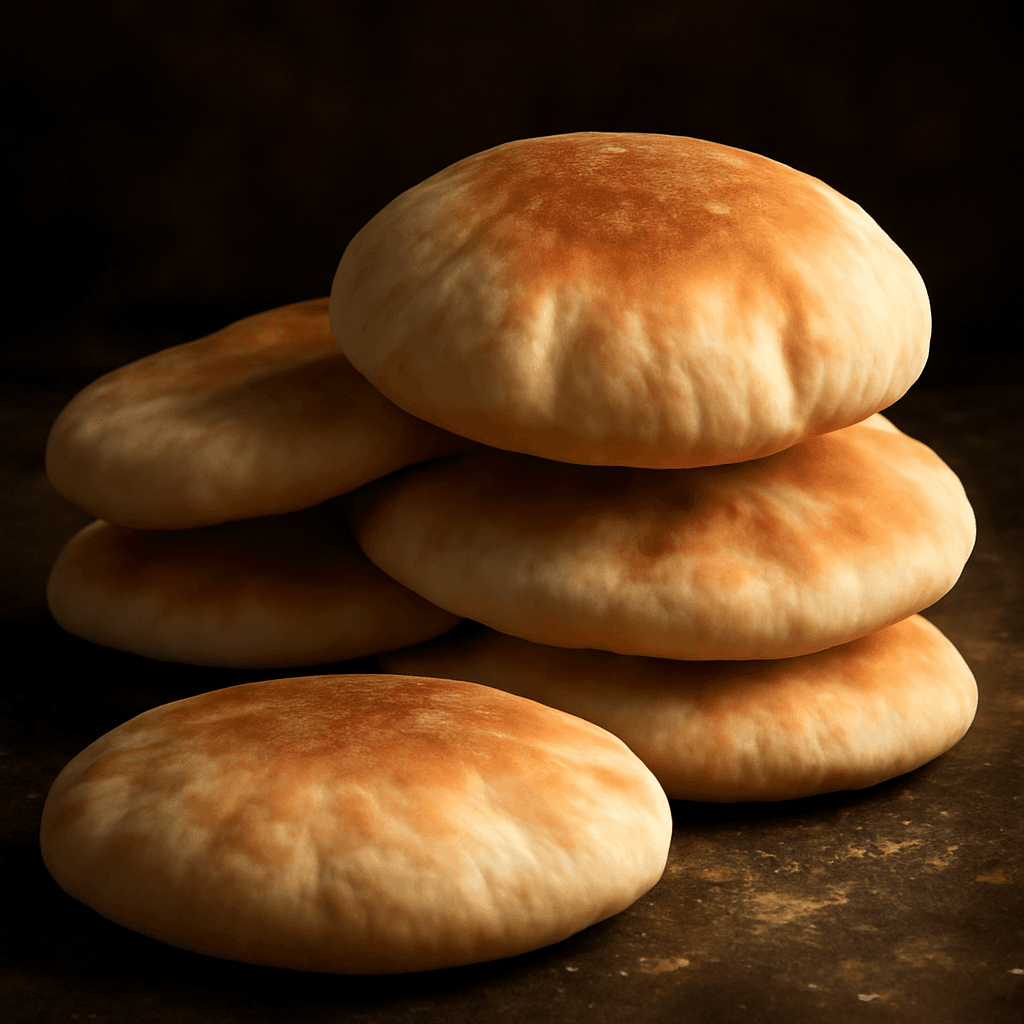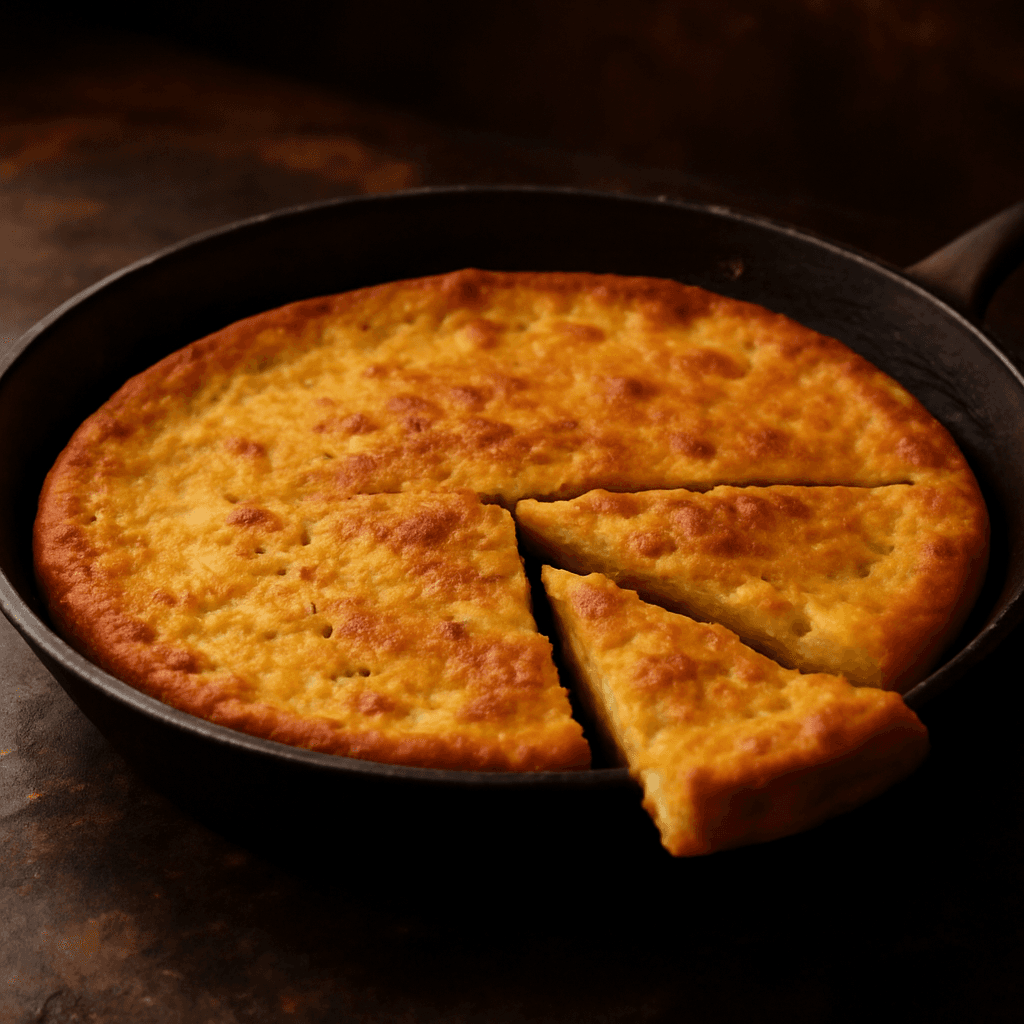
Socca (Chickpea Flour Flatbread) - freshly baked bread

Socca (Chickpea Flour Flatbread)

Flatbreads

Crispy, gluten-free flatbread made with chickpea flour and olive oil. A Provençal street food favourite.

Prep Time

5 min

Proof Time

30 min

Bake Time

12 min

Servings

8

Calories

200

Ingredients

  • 2½ cups all-purpose flour
  • 1 tsp instant yeast
  • ¾ cup warm water
  • 2 tbsp olive oil
  • 1 tsp salt
  • 1 tsp sugar

Instructions

  1. 1

    Mix

    Combine flour, yeast, sugar, and salt. Add water and oil. Mix until a dough forms.

  2. 2

    Knead & Rest

    Knead 5 minutes until smooth. Cover and rest 30–60 minutes.

  3. 3

    Shape

    Divide into portions. Roll each into thin rounds on a floured surface.

  4. 4

    Cook

    Cook on a hot skillet or baking surface until puffed and charred in spots.

Baker's Notes

A screaming-hot cooking surface is the single most important factor in flatbread baking. Get your skillet or stone as hot as it will go.

Baker Thomas Moreau

About This Recipe

Socca is a Provençal flatbread that's had a makeover for Canadian kitchens — wheat flour and a touch of yeast give it a tender, pillowy interior that contrasts beautifully with a crackling, golden-brown crust. The olive oil in the dough seeps into every layer during cooking, leaving each bite fragrant and rich without feeling heavy.

Canadian home cooks are drawn to socca because it delivers restaurant-quality flatbread with minimal fuss. Unlike focaccia or pizza dough that demand hours of rising, this version comes together in under an hour and delivers a satisfying crunch that pairs perfectly with everything from roasted vegetables to a simple summer salad.

Tips for the Best Socca (Chickpea Flour Flatbread)

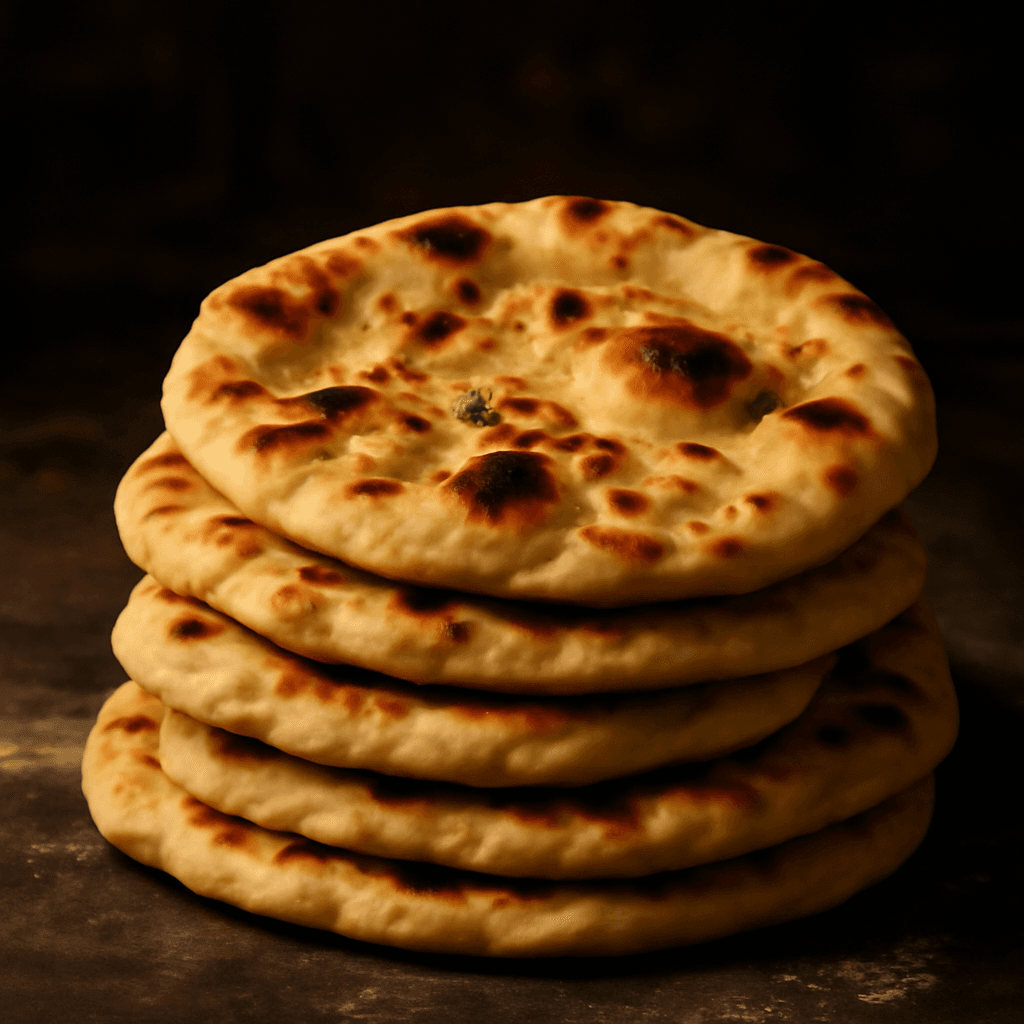
Get your skillet or baking surface screaming hot — you should see wisps of smoke before the dough hits the pan. Watch for the edges to curl and dark brown spots to appear on top, which signals the flatbread is ready to flip. Stack cooked socca under a clean kitchen towel immediately; the steam keeps them pliable instead of letting them turn brittle as they cool.

What to Serve With It

These flatbreads shine as a flexible alternative to tortillas — fill them with grilled chicken, hummus, and pickled vegetables for a quick weeknight wrap, or serve alongside a bowl of lentil soup and a simple arugula salad with lemon vinaigrette. For a casual snack, brush with olive oil and sprinkle with flaky sea salt and za'atar.

Storage & Reheating

Socca is at its best the same day it's made, but leftovers can be wrapped tightly in plastic and refrigerated for up to two days. Reheat gently in a hot skillet for a minute per side to restore crispness, or warm briefly in the microwave with a damp paper towel to keep them soft.
Nutrition Facts

200

cal

8g

Protein

4g

Fat

44g

Carbs

2g

Fiber

207mg

Sodium

Frequently Asked Questions

Can I freeze socca?+

Yes — stack cooled flatbreads with parchment paper between each, place in a freezer bag, and freeze for up to three months. Thaw at room temperature and reheat in a hot skillet to restore the crisp exterior.

What kind of pan works best?+

A heavy cast-iron skillet holds heat best and gives socca its signature charred spots. A carbon steel pan or a preheated baking stone works well too, but avoid nonstick surfaces since they won't get hot enough for proper browning.

How do I know when socca is done cooking?+

Look for a golden-brown crust with darker blistered patches, and the edges should curl slightly upward. Flip once — the second side should take about half the time of the first since the bottom is already cooking through.

Is socca gluten-free?+

Traditional socca made with chickpea flour is naturally gluten-free, but this recipe uses all-purpose flour, so it contains gluten. Swap the wheat flour for chickpea flour and skip the yeast for a truly gluten-free version.

Can I add herbs or toppings to the dough?+

Absolutely — fold chopped rosemary, thyme, or finely minced garlic into the dough before resting. You can also brush the cooked flatbread with herb-infused olive oil or sprinkle za'atar on top right after cooking.

Tips & Tricks

  • A screaming-hot cooking surface is essential for the best results.
  • Stack cooked flatbreads under a towel to keep them warm and pliable.
  • Most flatbreads are best eaten the same day they're made.

Reviews (5)

David C.★★★★★

Bakery-quality bread at home. I followed the recipe exactly and it turned out amazing. The proofing tips really helped.

Lisa P.★★★★★

Made this for a dinner party and everyone wanted the recipe. The bread was the star of the table — warm, crusty, and absolutely delicious.

Robert B.★★★★★

Five stars! The crust was perfectly crispy and the crumb was soft and airy. I'll never buy store-bought bread again.

Jennifer K.★★★★★

This is now our go-to bread recipe. The house smelled incredible while it was baking. My kids couldn't wait to tear into a warm slice.

André G.★★★★★

Just like from the bakery! The crust is crispy and the crumb is soft. Bravo for this extraordinary recipe.