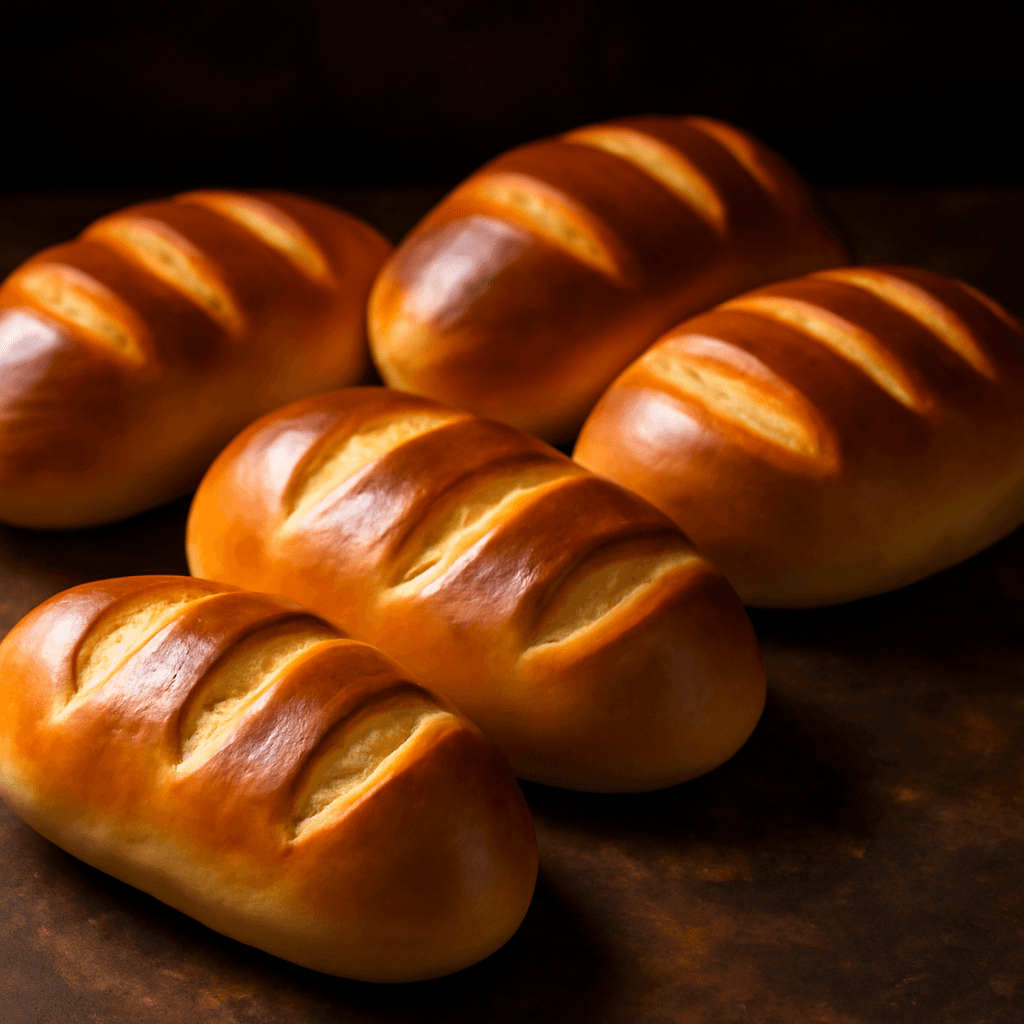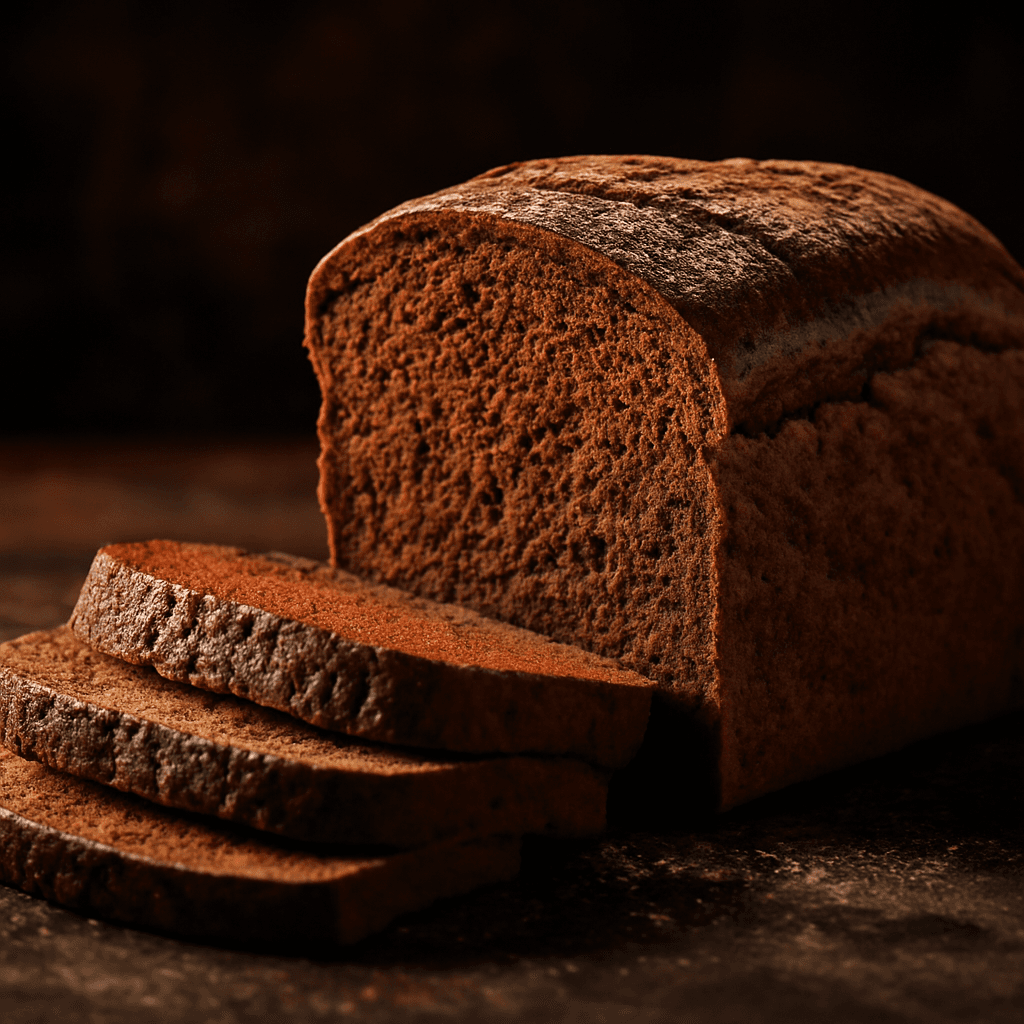
Pumpernickel Bread - freshly baked bread

Pumpernickel Bread

French & European-Style Bread

Dark, dense German pumpernickel with a subtle sweetness from molasses and cocoa. Sliced thin for open-faced sandwiches.

Prep Time

20 min

Proof Time

2h

Bake Time

45 min

Servings

10

Calories

165

Ingredients

  • 3 cups bread flour
  • 2¼ tsp active dry yeast
  • 1 cup warm water
  • 2 tbsp unsalted butter, softened
  • 2 tbsp sugar
  • 1½ tsp salt
  • 2 large eggs

Instructions

  1. 1

    Activate Yeast

    Dissolve sugar in warm water. Add yeast and wait 5 minutes.

  2. 2

    Mix Dough

    Add butter, eggs, salt, and flour. Knead 10 minutes until smooth.

  3. 3

    Rise

    Cover and rise 60–90 minutes until doubled.

  4. 4

    Shape

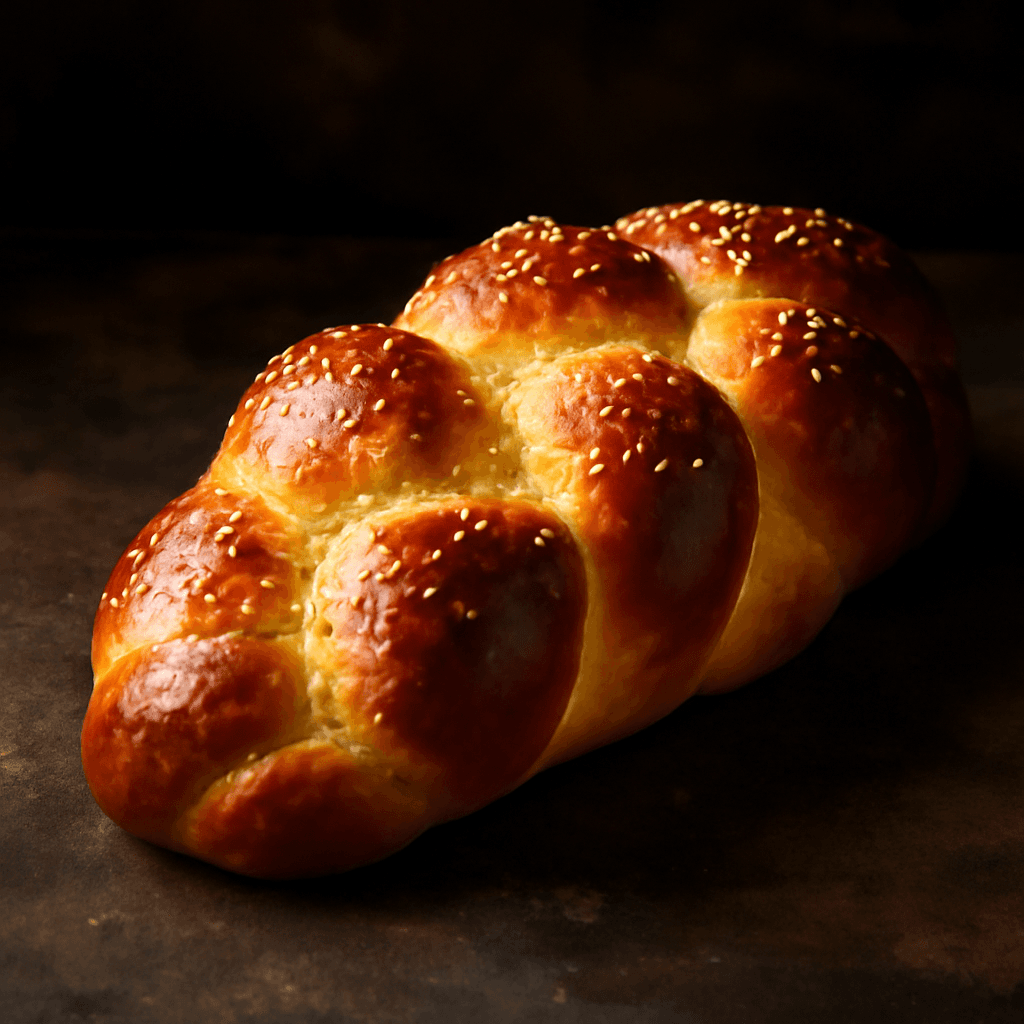
    Shape as directed — braid, round, or loaf.

  5. 5

    Second Rise

    Cover and rise 30 minutes.

  6. 6

    Bake

    Brush with egg wash. Bake at 375°F (190°C) for 25–30 minutes until golden.

Baker's Notes

European breads often benefit from a long, slow fermentation. Even an extra hour of rise time develops noticeably more flavour.

Baker Thomas Moreau

About This Recipe

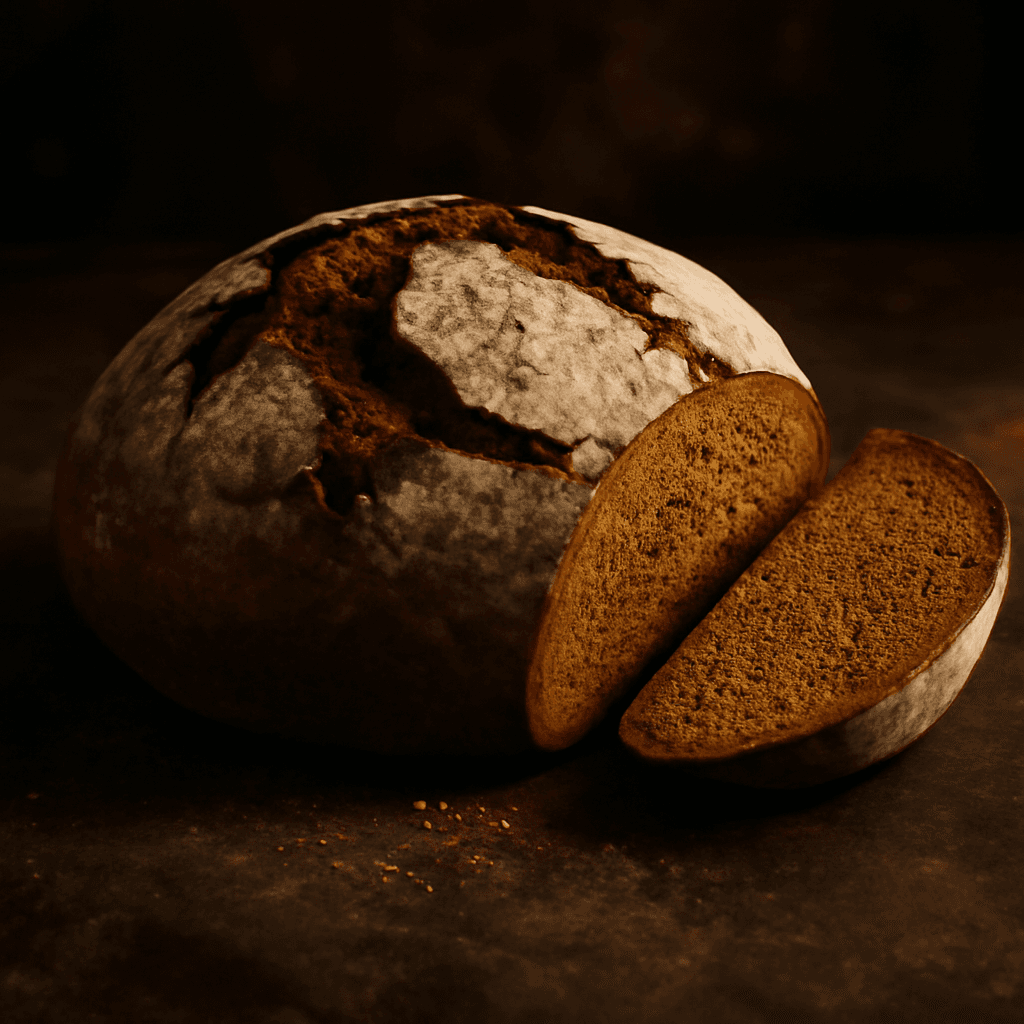
Pumpernickel bread is one of those German classics that earns its reputation through sheer substance. This loaf is rich, slightly sweet, and deeply satisfying — the kind of bread that feels substantial enough to anchor a proper sandwich and humble enough to disappear beside a bowl of soup. That golden sheen from the egg wash gives it a refined look that belies its rustic heart.

What Canadian home cooks appreciate most is how versatile this bread is. It slices cleanly, holds up to generous toppings, and actually tastes better the next day as the flavours settle into each other. It's the kind of loaf that earns its place in your regular rotation without demanding much attention.

Tips for the Best Pumpernickel Bread

Dissolve the sugar in warm water before adding the yeast — that small step wakes the yeast up and saves you from a flat loaf. The egg wash (one egg thinned with a tablespoon of water) is what gives European breads their signature shine, so don't skip it. And give the loaf a full day to rest before slicing; the flavour deepens noticeably after twenty-four hours.

What to Serve With It

Slice this bread thin and serve it open-faced with smoked salmon, cream cheese, and capers — a classic that works beautifully for weekend brunch. It pairs equally well with sharp cheddar, pickled vegetables, or a simple pat of butter alongside a hearty bowl of potato leek soup. A drizzle of local maple syrup on thick slices makes a surprisingly good sweet snack.

Storage & Reheating

Keep leftover pumpernickel wrapped in plastic wrap or in an airtight container at room temperature for up to three days. If you need to hold it longer, slice it first and freeze it in a freezer bag — it reheats well straight from frozen in a 350°F oven for about ten minutes. Don't refrigerate it; the cold dries out the crumb faster than air does.
Nutrition Facts

165

cal

6g

Protein

4g

Fat

34g

Carbs

4g

Fiber

215mg

Sodium

Frequently Asked Questions

Can I use instant yeast instead of active dry?+

Yes — use the same amount but skip the initial proofing step. Just mix the yeast directly into the flour along with the other ingredients.

How do I know when my dough has risen enough?+

Press a finger gently into the dough. If the indentation springs back slowly and leaves a slight mark, it's ready. If it springs back immediately, let it rise longer.

Why does my loaf look pale even though I used the egg wash?+

Make sure the oven is fully preheated to 375°F before the bread goes in. Also brush the egg wash on just before baking, not too early, or it will dry out.

Can I shape this into something besides a loaf?+

Absolutely. Try braiding the dough for an elegant presentation, forming round boules, or making smaller rolls. Just adjust the baking time accordingly.

Does this bread freeze well?+

It freezes very well. Slice it first, wrap tightly in plastic and foil, and store for up to three months. Reheat slices in a 350°F oven for ten minutes.

Tips & Tricks

  • Egg wash (1 egg + 1 tbsp water) gives European breads their golden sheen.
  • Many European breads improve in flavour after a day of resting.
  • Use bread flour for the best gluten development and structure.

Reviews (5)

Robert B.★★★★★

Five stars! The crust was perfectly crispy and the crumb was soft and airy. I'll never buy store-bought bread again.

Jennifer K.★★★★★

This is now our go-to bread recipe. The house smelled incredible while it was baking. My kids couldn't wait to tear into a warm slice.

André G.★★★★★

Just like from the bakery! The crust is crispy and the crumb is soft. Bravo for this extraordinary recipe.

Chantal D.★★★★★

Easy to prepare and so delicious! Even my picky kids went for seconds. This bread has become a staple in our home.

Pierre T.★★★★★

Excellent recipe. I followed the instructions to the letter and the result was perfect. My wife loved it. The best homemade bread I've made.