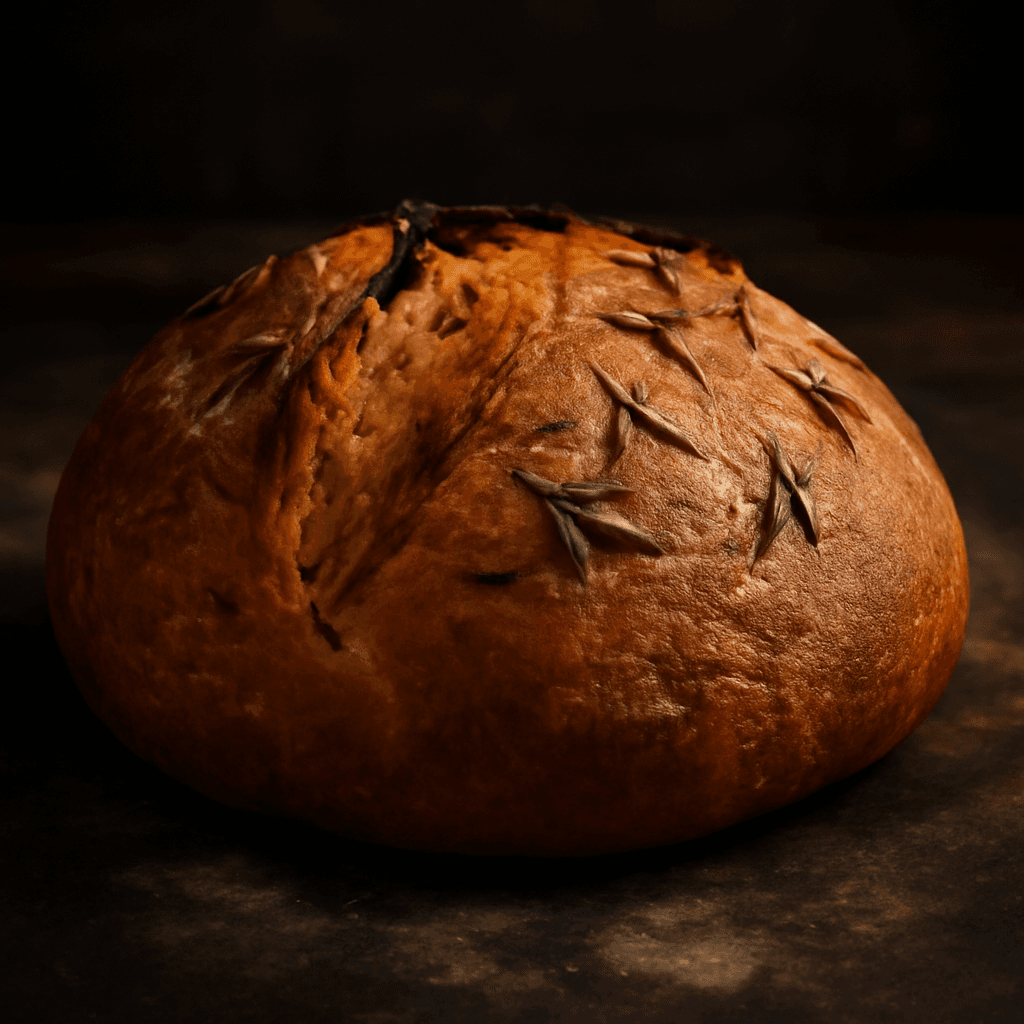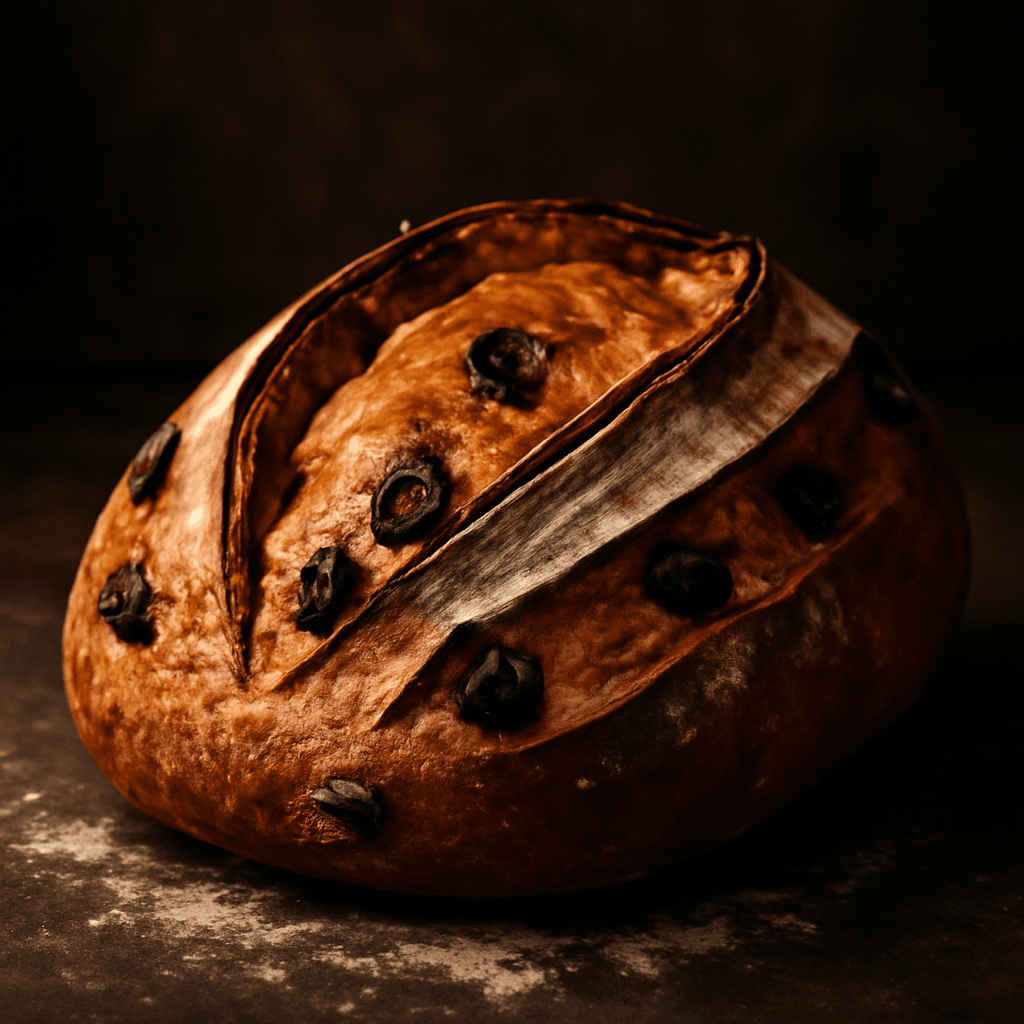
Cranberry Cinnamon Sourdough - freshly baked bread

Cranberry Cinnamon Sourdough

Sourdough

A festive sourdough variation studded with tart cranberries and swirled with warm cinnamon.

Prep Time

30 min

Proof Time

12h

Bake Time

45 min

Servings

10

Calories

200

Ingredients

  • 500 g bread flour
  • 350 g water (warm)
  • 100 g active sourdough starter
  • 10 g fine sea salt

Instructions

  1. 1

    Autolyse

    Mix flour and water. Cover and rest 30–60 minutes.

  2. 2

    Add Starter & Salt

    Add active starter and salt. Mix using the pinch-and-fold method until incorporated.

  3. 3

    Bulk Ferment

    Over 4–5 hours, perform 4–6 stretch-and-folds spaced 30–45 minutes apart.

  4. 4

    Pre-Shape

    Turn onto a floured surface. Shape into a loose round and bench rest 20 minutes.

  5. 5

    Final Shape

    Shape into a tight boule. Place seam-side up in a floured banneton.

  6. 6

    Cold Proof

    Cover and refrigerate 8–16 hours.

  7. 7

    Score & Bake

    Preheat Dutch oven to 500°F. Score dough. Bake covered 20 min, then 450°F uncovered 20–25 min.

Baker's Notes

Your starter must be active and bubbly before you use it. Do the float test — if a spoonful floats in water, it's ready to leaven bread.

Baker Thomas Moreau

About This Recipe

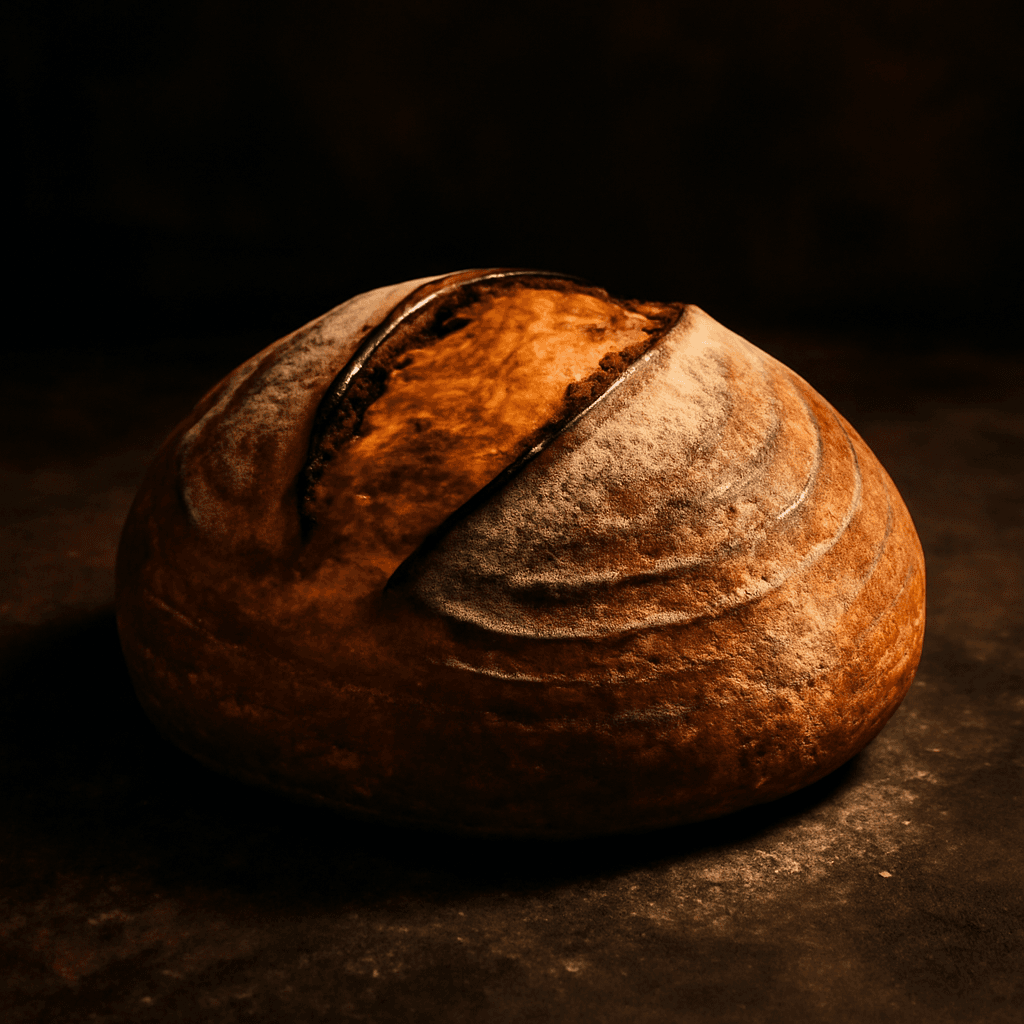
There's something quietly festive about a loaf of sourdough studded with tart cranberries and swirled with cinnamon — it's the kind of bread that smells like the holidays without trying too hard. The warm spice and bright berry notes play beautifully against the tangy crumb, and the crust gets gloriously blistered from the Dutch oven bake.

Canadian home bakers have been experimenting with sourdough variations for years, and this one has become a seasonal favourite because it's approachable yet rewarding. You're working with a straightforward 500g flour base, but the long cold proof does the heavy lifting on flavour development.

Tips for the Best Cranberry Cinnamon Sourdough

Timing is everything with add-ins — fold the cranberries and cinnamon in during your third or fourth stretch-and-fold so they distribute evenly without tearing the gluten. And never skip the cold proof; that overnight rest is where the tangy depth really builds.

What to Serve With It

This loaf shines alongside a pot of tea or coffee on a quiet morning, or sliced thin for a cranberry-cinnamon sandwich with butter and a smear of cream cheese. It pairs beautifully with a bowl of soup on a chilly Canadian evening, and the crust holds up well enough for toast the next day.

Storage & Reheating

Store cooled loaves in a paper bag at room temperature for up to three days, or wrap tightly in plastic and freeze for longer. To reheat, pop slices back in a 450-degree oven for five minutes to revive that crisp crust — the cranberries soften nicely and the cinnamon warms through.
Nutrition Facts

200

cal

6g

Protein

3g

Fat

31g

Carbs

2g

Fiber

336mg

Sodium

Frequently Asked Questions

Can I use fresh cranberries instead of dried?+

Fresh cranberries work but release more moisture and can make the crumb gummy. If you use them, pat them dry thoroughly and consider reducing the water by 15 grams to compensate.

My starter isn't bubbling much. Will the bread still rise?+

If your starter fails the float test, give it another feeding and wait. A sluggish starter means a slower rise and less flavour development — the cold proof won't save under-fermented dough.

Do I have to use a Dutch oven?+

A Dutch oven creates the steam needed for a blistered, crackly crust. You can substitute a covered roasting pan or bake on a preheated stone with a tray of boiling water in the oven below.

How do I know when the loaf is fully baked?+

Look for a deep golden crust and an internal temperature of around 205 degrees Fahrenheit. The loaf should sound hollow when tapped on the bottom — if it sounds dull, it needs more time.

Can I shorten the cold proof to save time?+

You can cut it down to four hours at room temperature, but you will lose some of the complex tangy flavour that the extended cold ferment develops. The dough will also be stickier to shape.

Tips & Tricks

  • Your starter must be active and bubbly — do the float test.
  • The cold proof is where the tangy flavour develops — don't skip it.
  • Steam from the Dutch oven is essential for a crispy, blistered crust.

Reviews (3)

David C.★★★★★

Bakery-quality bread at home. I followed the recipe exactly and it turned out amazing. The proofing tips really helped.

Lisa P.★★★★★

Made this for a dinner party and everyone wanted the recipe. The bread was the star of the table — warm, crusty, and absolutely delicious.

Robert B.★★★★★

Five stars! The crust was perfectly crispy and the crumb was soft and airy. I'll never buy store-bought bread again.