About This Recipe
There's something quietly satisfying about the two-rise method — that patient wait while the dough slowly doubles under a towel. What sets this bread apart from quick one-rise loaves is the depth of flavour that comes from giving the yeast time to work. During that full hour of first rising, the yeast isn't just puffing up the dough with carbon dioxide; it's developing organic acids and alcohols that give the crumb a subtle, rounded taste you won't find in rushed breads.
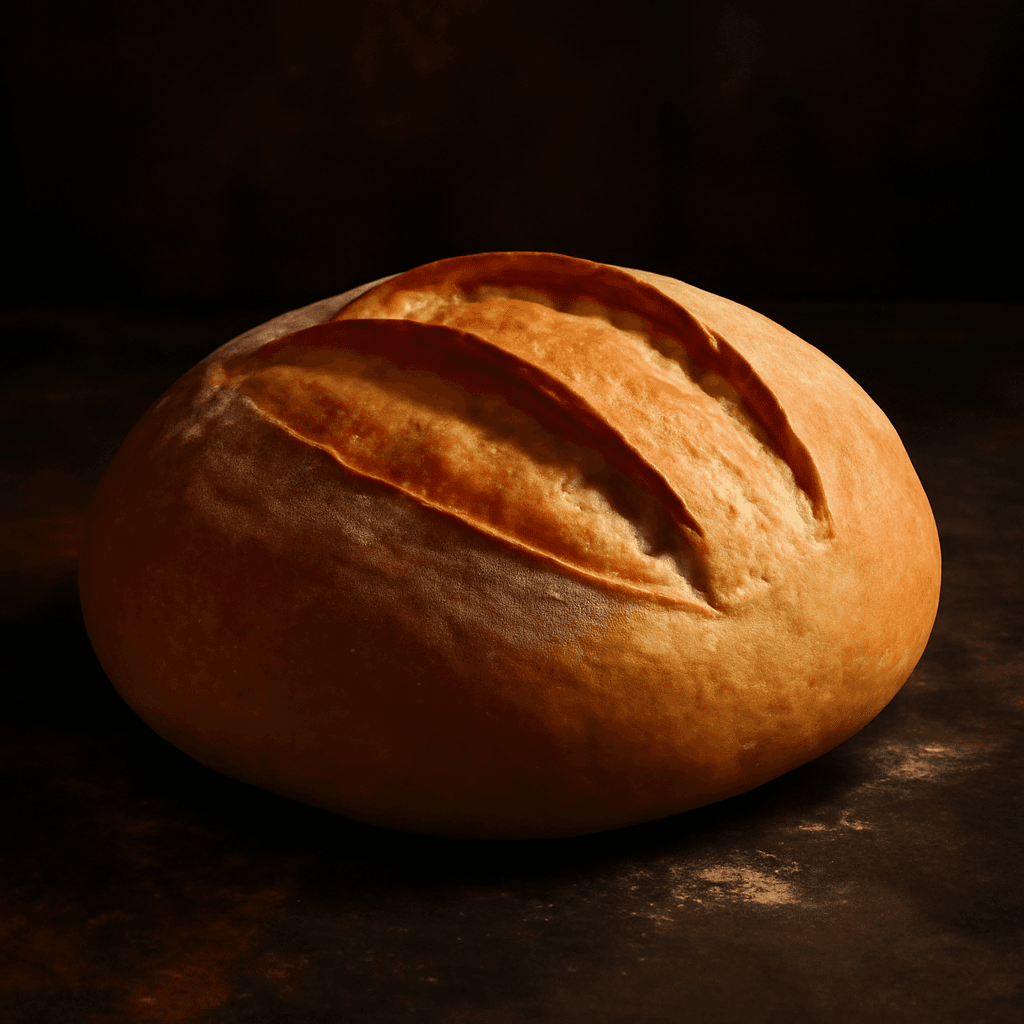
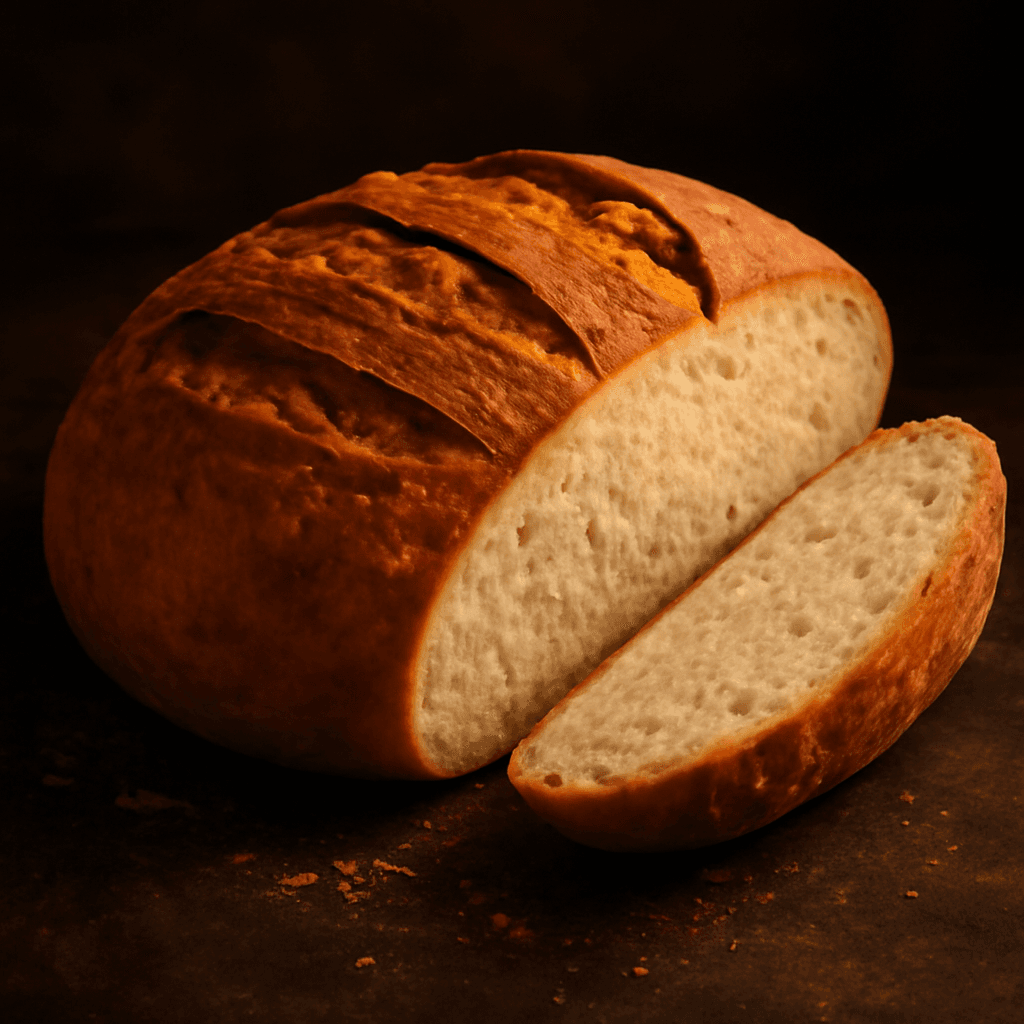
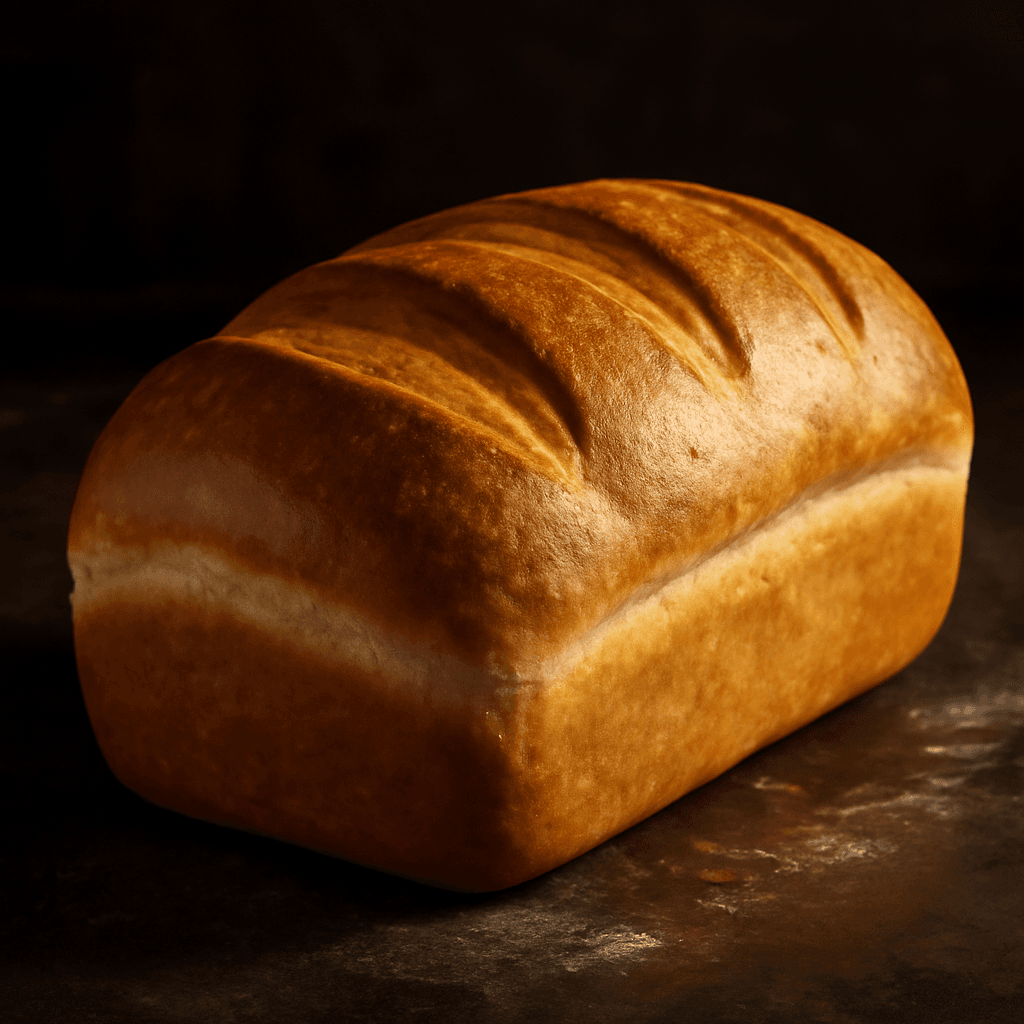
Canadian home cooks have relied on this method for generations because it delivers consistent results without fancy equipment. A simple loaf pan, some bread flour, and active dry yeast are all you need. The result is a crust that cracks satisfyingly when you pull it from the oven, with a tender interior that slices cleanly and holds up beautifully to butter.
Tips for the Best Active Dry Yeast Bread (Classic Two-Rise)
Make sure your water hits 110°F — too hot and you'll kill the yeast, too cool and it won't activate. When you knead, aim for a dough that's slightly tacky to the touch but doesn't cling to your fingers. If it sticks, add flour a tablespoon at a time. The second rise is where patience pays off: let it crest above the pan before baking, or you'll get a dense loaf.
What to Serve With It
Serve warm with salted butter — nothing beats a fresh slice straight from the cooling rack. It's excellent alongside a bowl of split pea soup or poutine gravy, and works wonderfully for sandwiches since the crumb holds together without falling apart. I like to toast leftover slices with a little honey and cinnamon for breakfast.
Storage & Reheating
Keep the loaf in a bread box or paper bag at room temperature for up to three days. For longer storage, wrap tightly in plastic and freeze for up to two months — thaw overnight and refresh in a 350°F oven for five minutes. Don't refrigerate it; the cold accelerates staling far faster than leaving it out.